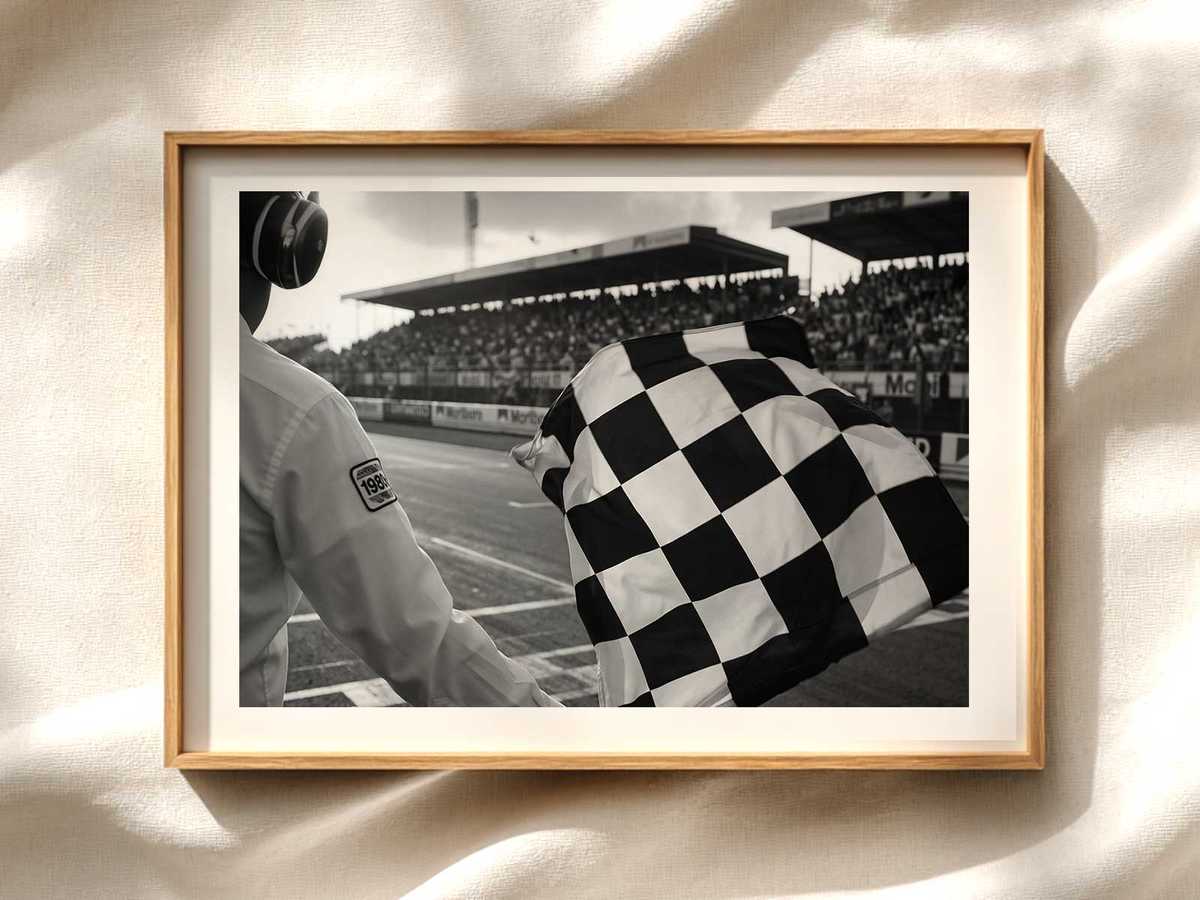
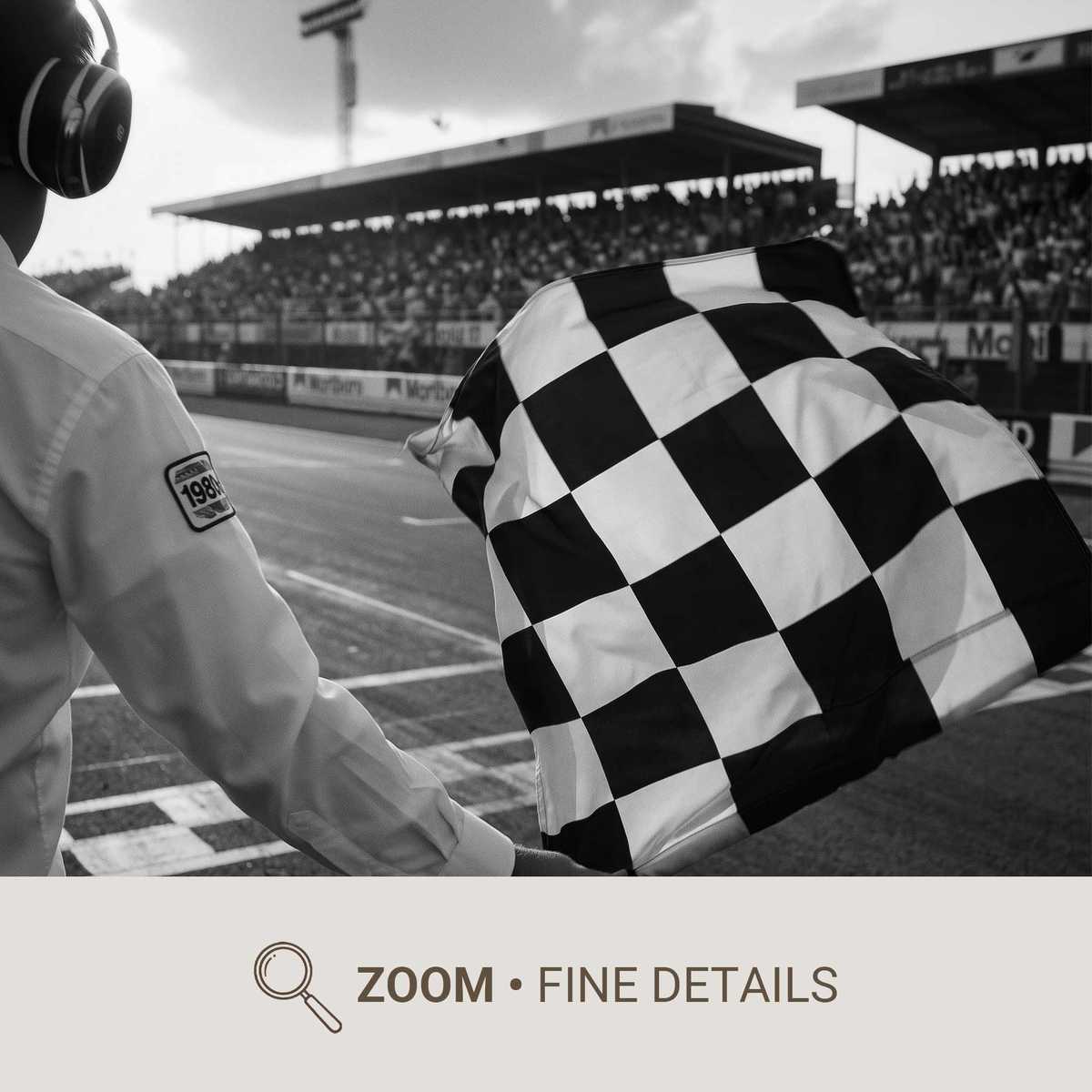
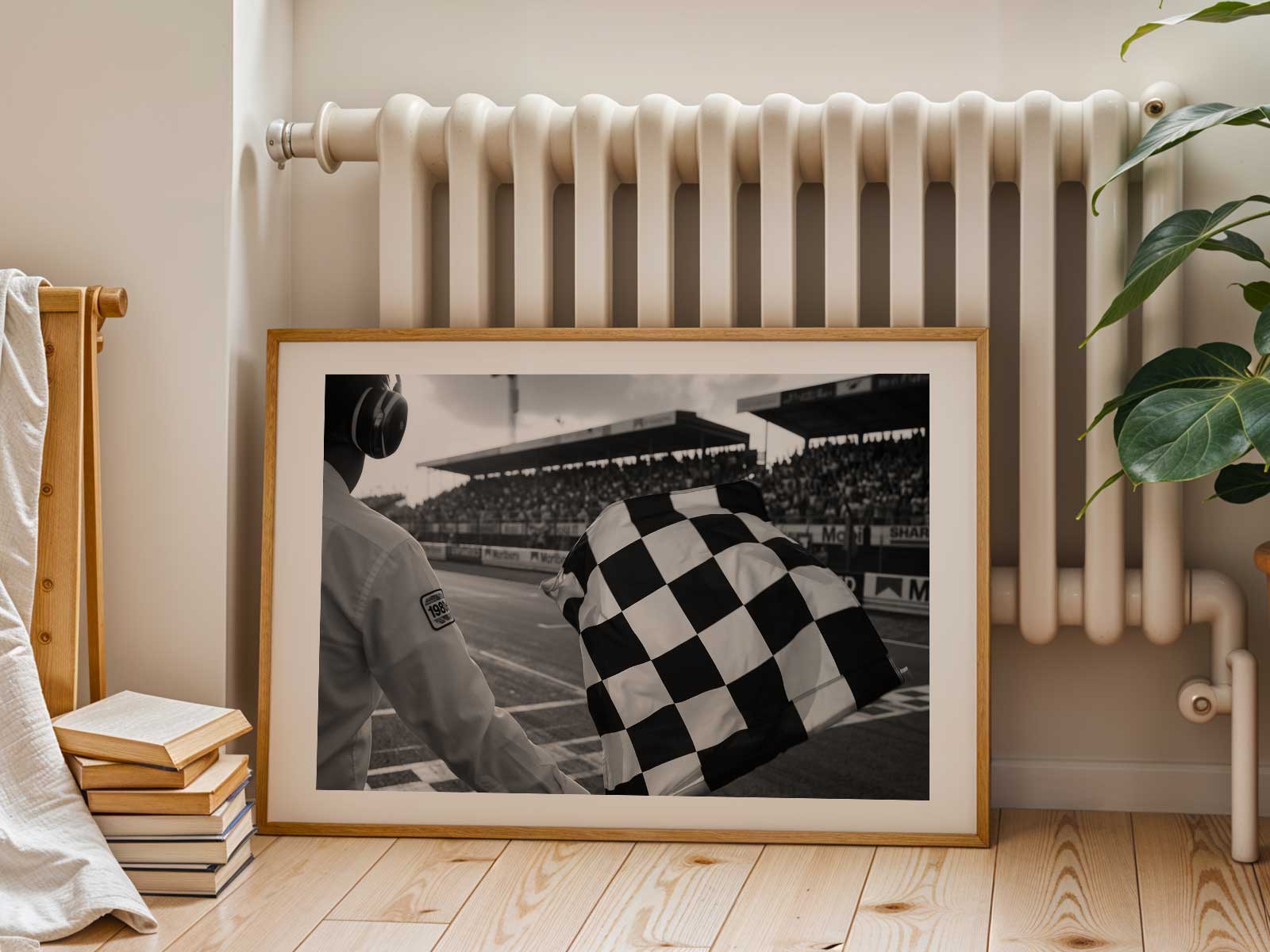
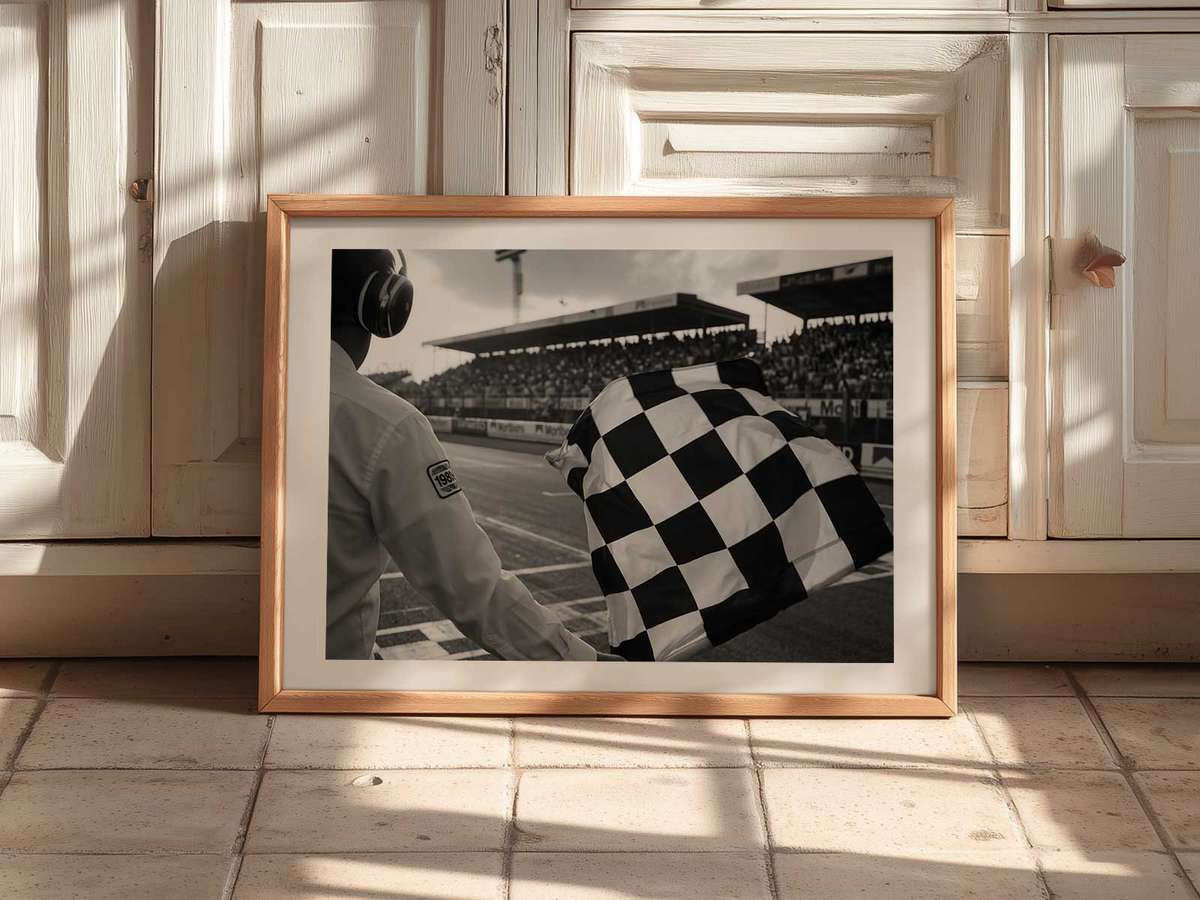
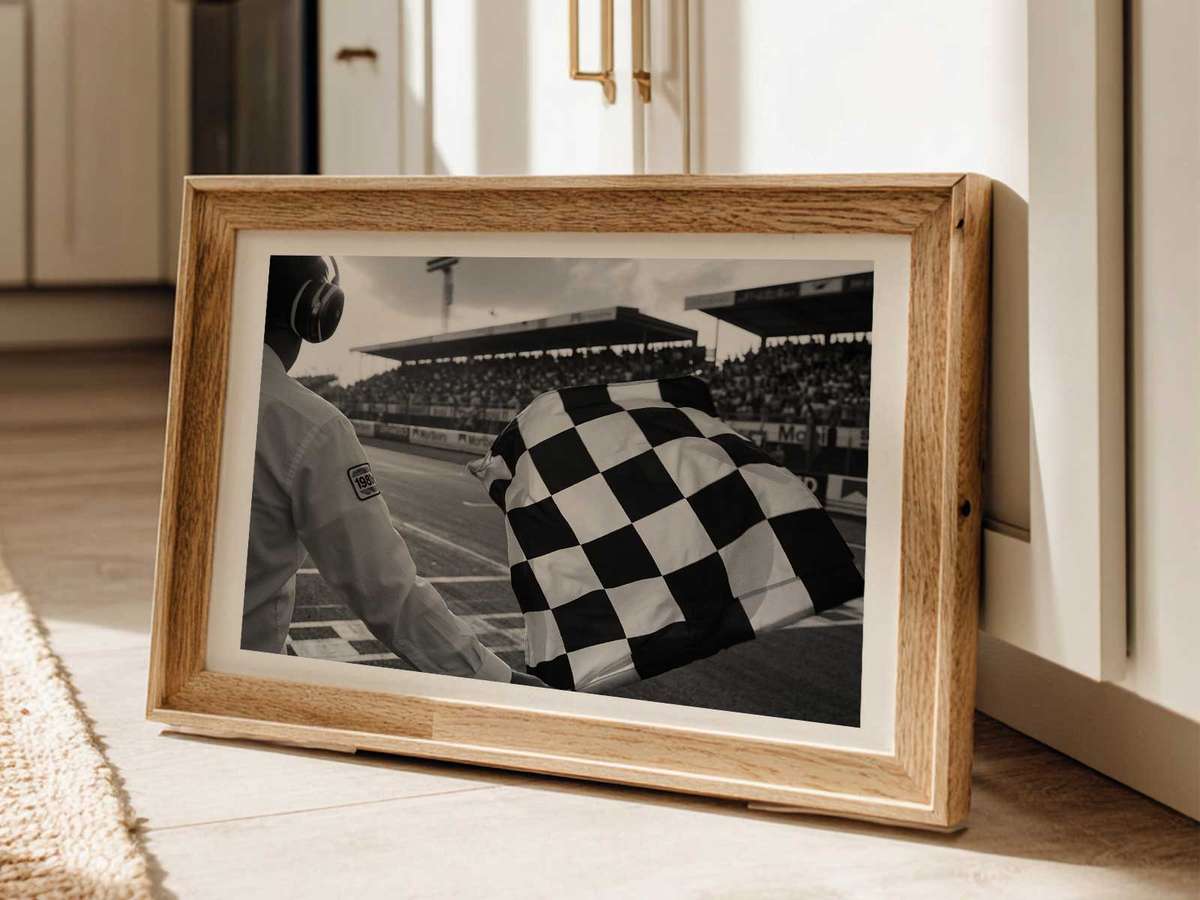
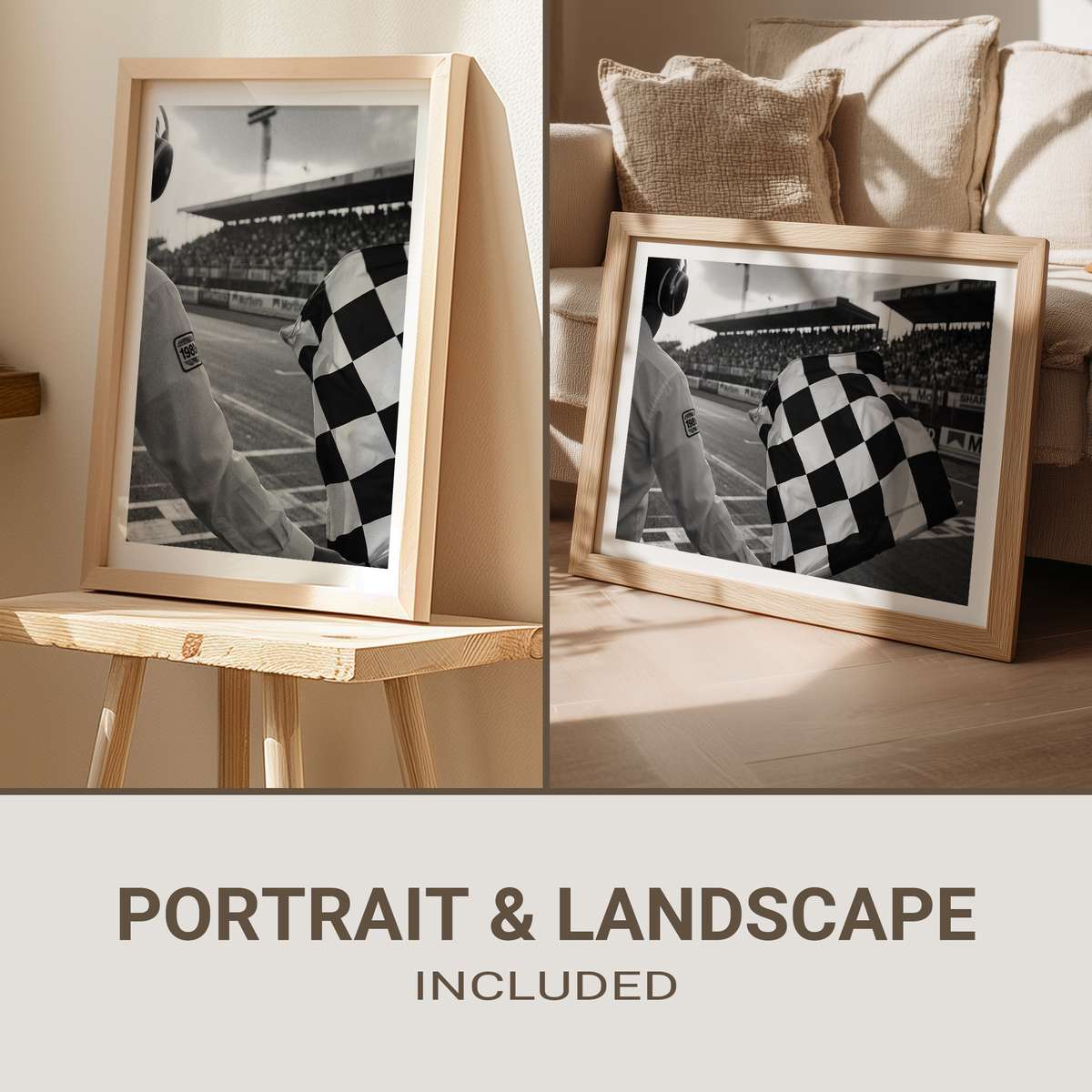
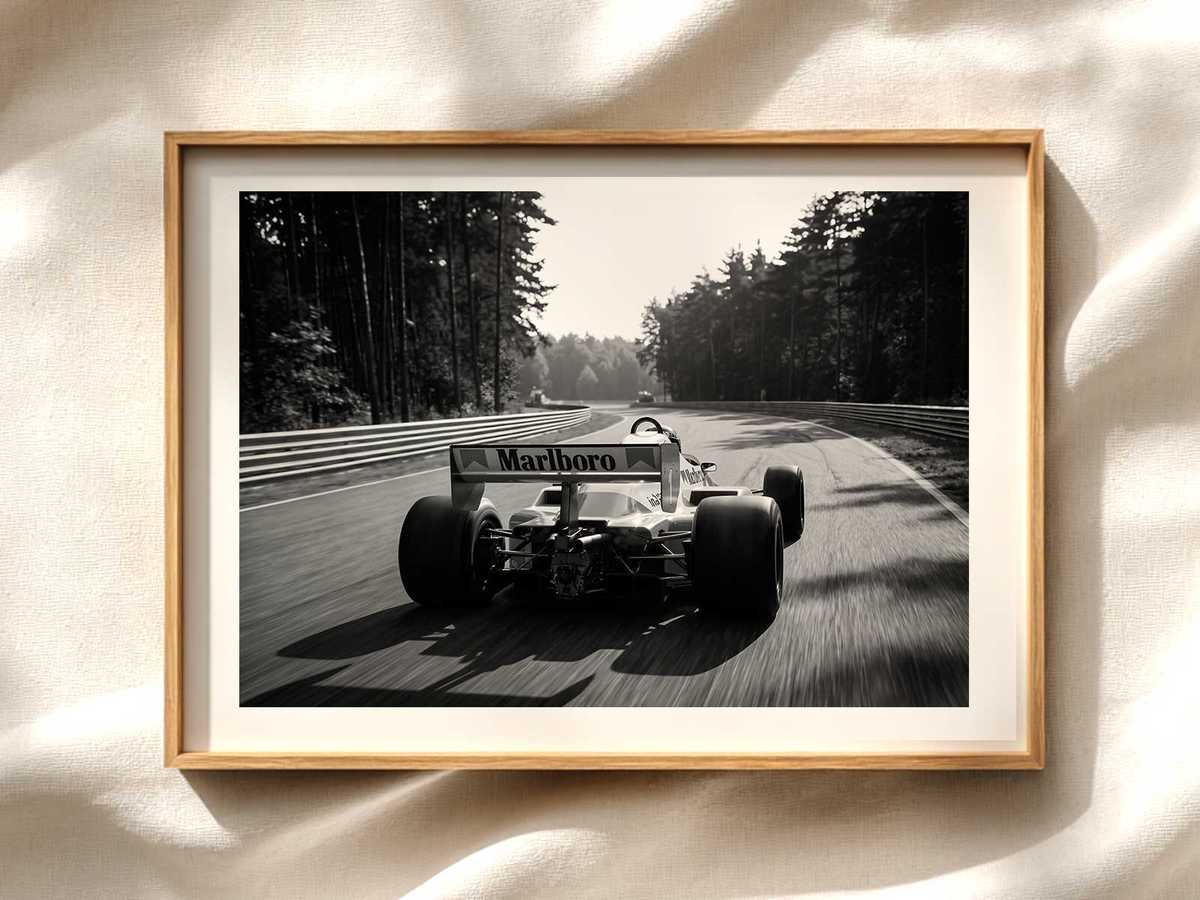
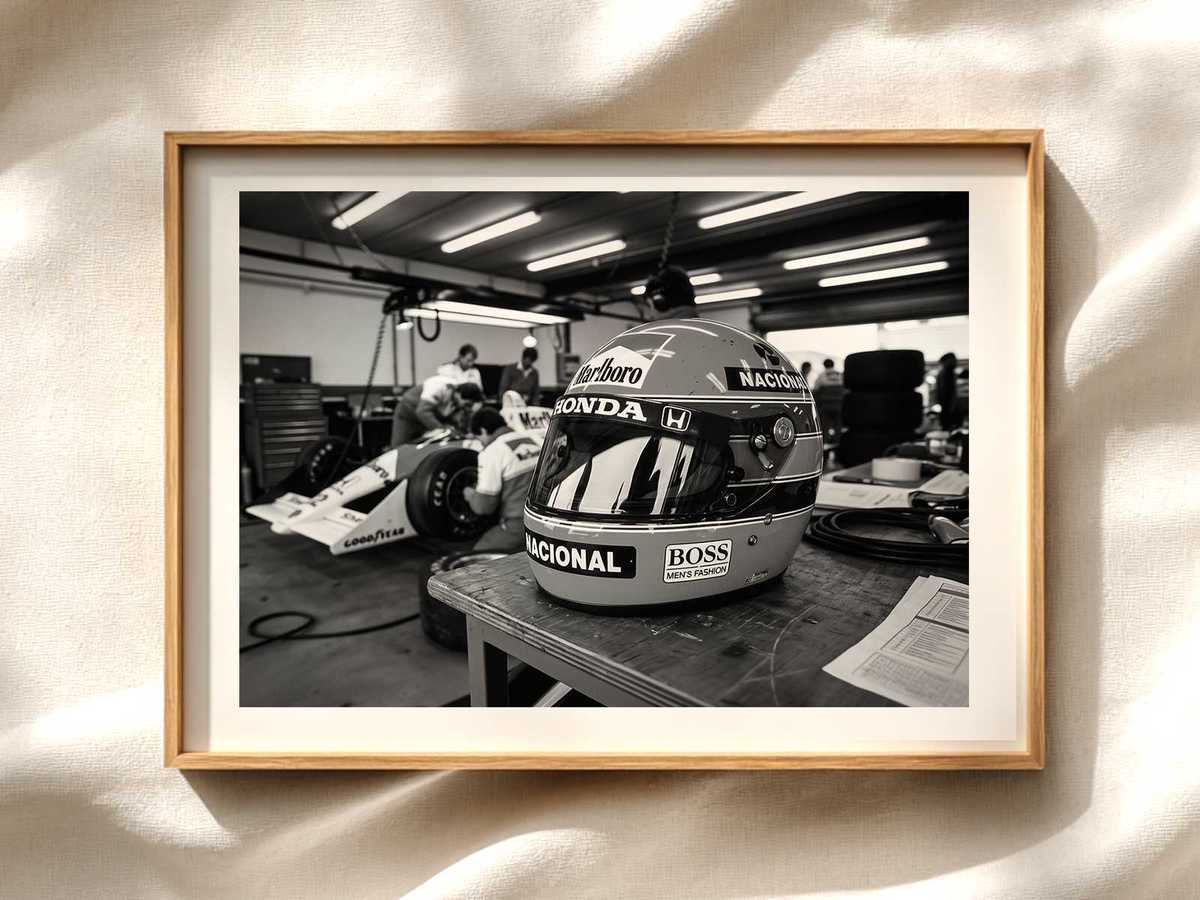
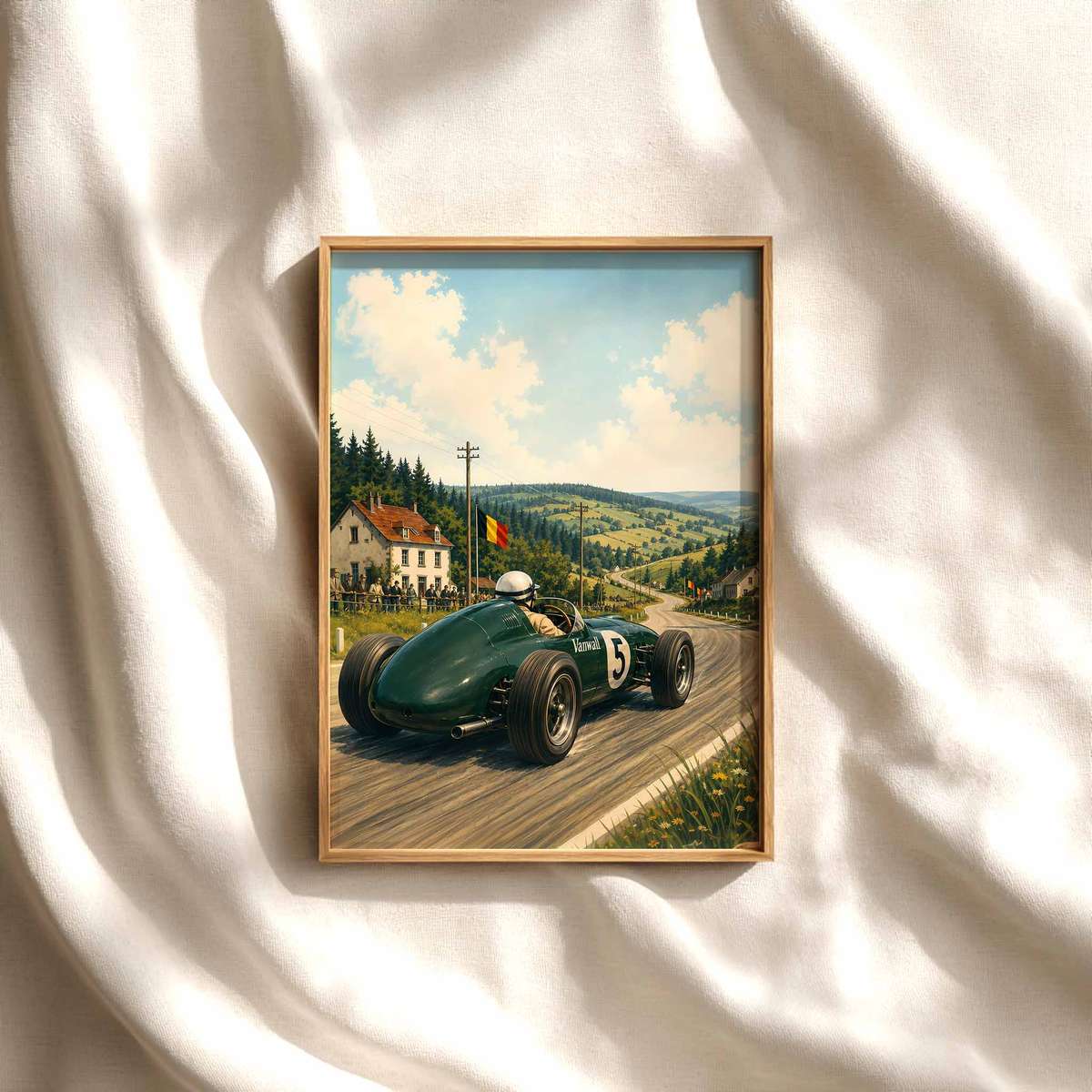
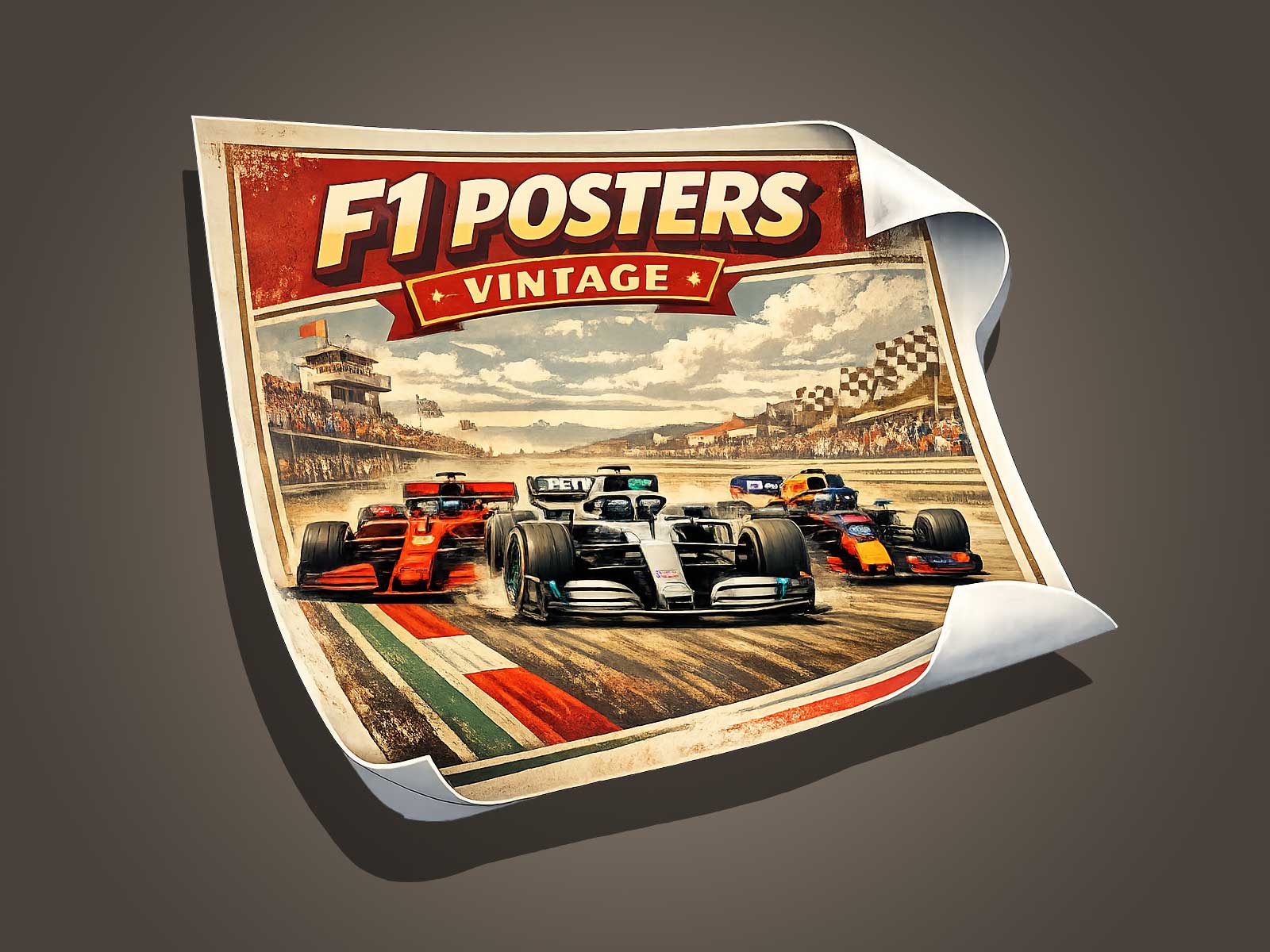
The best circuit posters do more than show a track: they distil a place. A Formula 1 Austin poster aims to capture the texture of a race weekend — the late-afternoon sky, the geometry of runoff and grandstands, and that charged instant under the chequered flag when time and place seem to merge. Rather than a photo of a result, the image becomes a memory device: a way to feel Austin's atmosphere from the living room or office wall.
What the eye notices first is often the horizon and how it frames the action. In Austin, a skyline suggestion — the sweep of low hills, the suggestion of distant lights, or a warm, Texas-stretched sky — sets the scene immediately. A successful poster uses that horizontal drama to anchor the composition, letting a single car or a silhouette of a corner read as movement against landscape. This is not about lap times; it is about the place that held them.
Color and contrast play a quiet but decisive role. The ochres and greens of the surroundings, the asphalt’s cool grey, and the bright pops of marshal orange or team liveries become compositional notes. A simplified palette turns noise into mood: twilight tones for tension, sunlit gold to suggest heat and speed, or high contrast to make the chequered flag moment tactile. These choices help a collector recognise Austin at a glance without relying on logos or busy detail.
[IMAGE_INSERT_ARTICLE_01]
Textures suggest memory: the grain of printed paper can mimic track runoffs; layered shapes recall grandstand tiers and hospitality tents. By abstracting detail, the artwork invites the viewer to supply their own recollections — the smell of rubber, the distant crowd murmur, the anxiety of the last lap. That invitation is the core of why venue-led posters work as wall art: they prompt personal recall rather than present a definitive account.
Why this venue image works in interiors
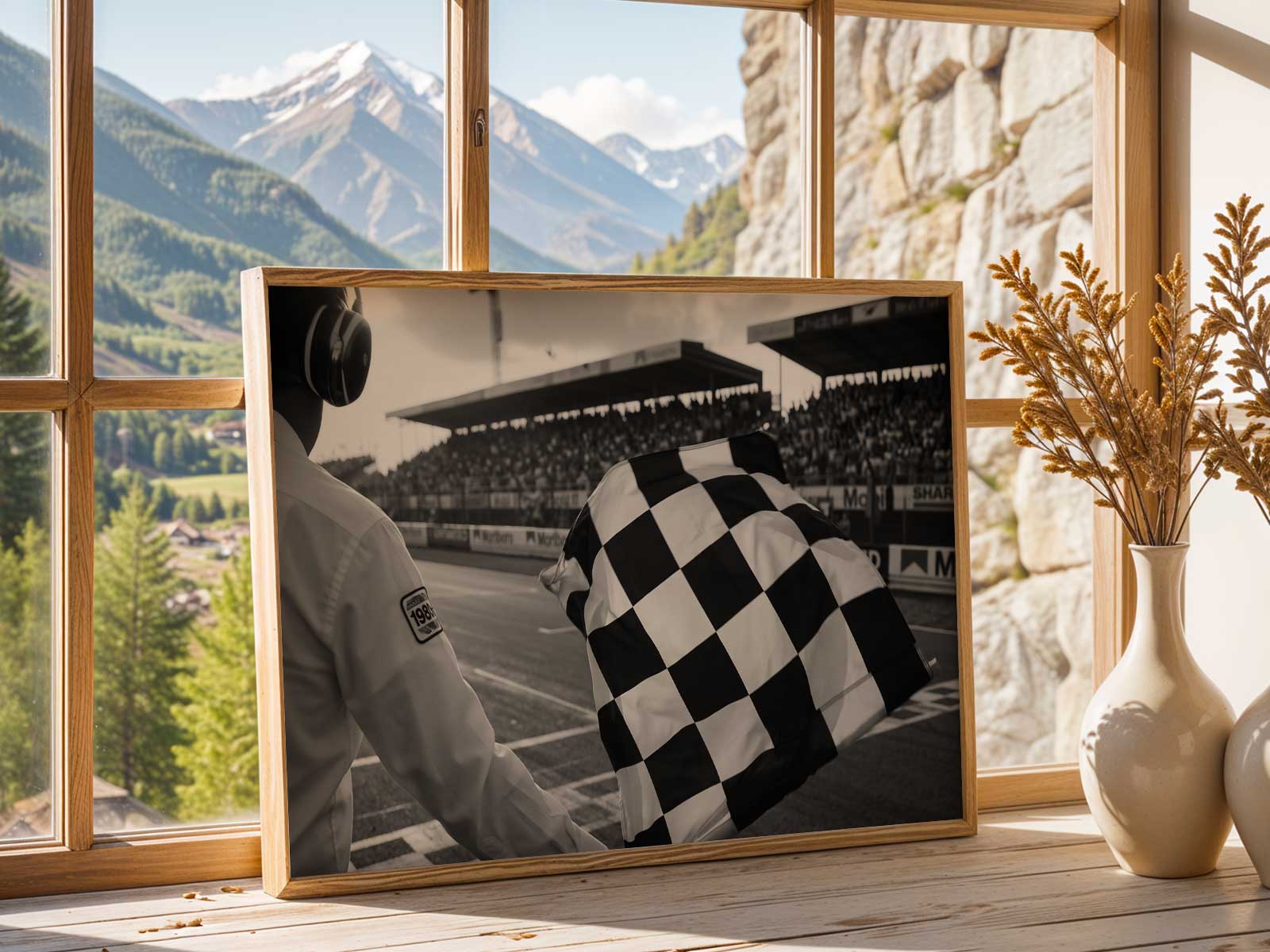
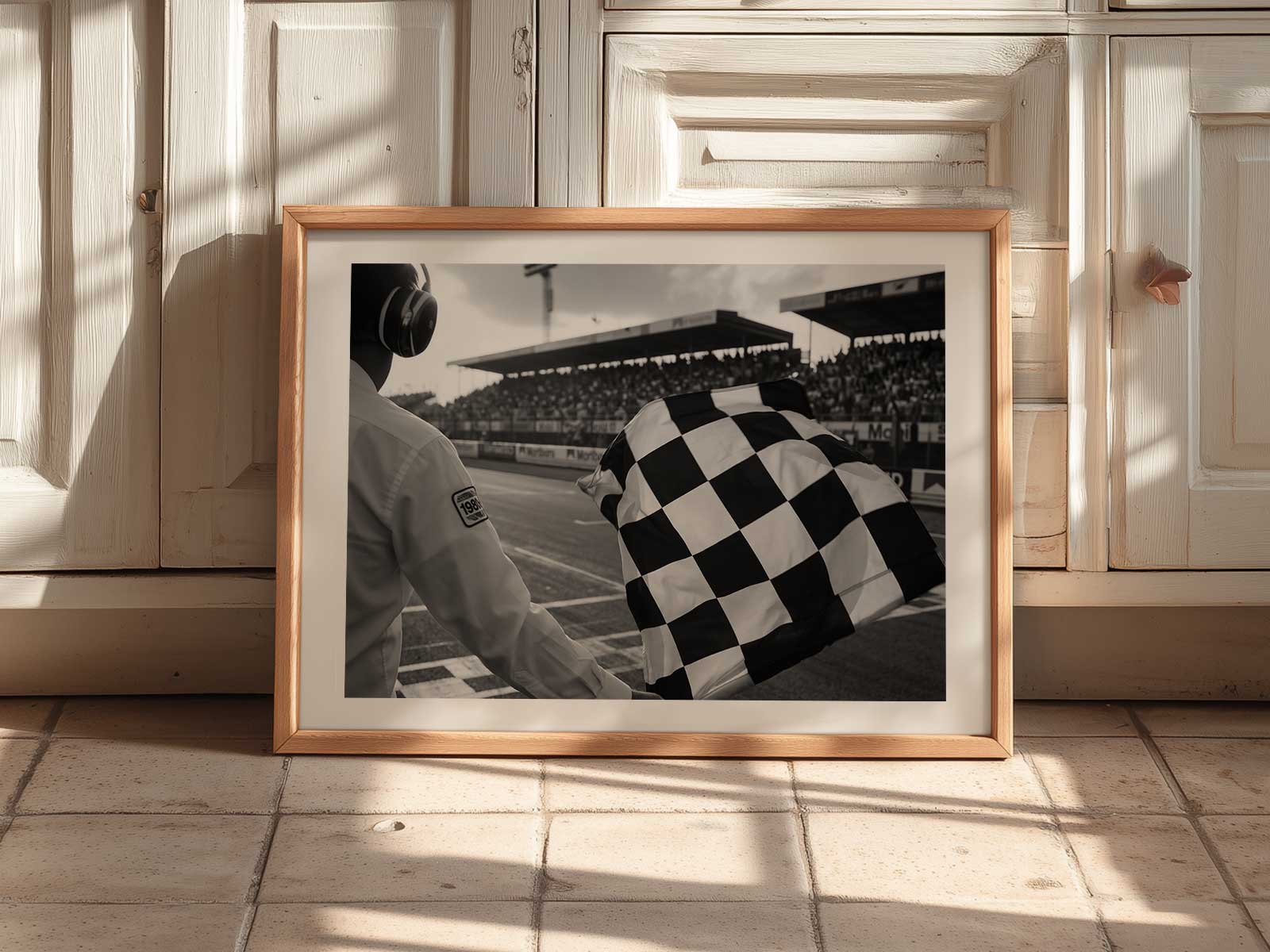
Austin-themed circuit art fits many settings because it balances dynamism with composure. In a living space, a poster referencing the track’s sweep brings an energetic focal point without overwhelming a room. In an office or game room, the same print signals temperament — a taste for design-forward motorsport culture rather than loud fandom. The image's architectural qualities — horizon lines, layered stands, and the directional pull of corners — naturally complement furniture geometry and framed collections.
Collectors prize pieces that convey place more than event. A poster that captures Austin’s atmosphere holds value because it becomes a shorthand for a weekend’s emotional arc: expectation, motion, closure. It’s an artwork that endures across seasons, readily integrated into gallery walls or a single-feature display, and it translates for gifting: the print is both specific and universal, a keepsake that suggests presence rather than a scoreboard.
Ultimately, the most memorable Formula 1 Austin posters are those that lean into sensory suggestion. They translate breeze, light, and the tension of a passing flag into line, color, and space. The result is a refined piece of wall art that feels like a place you can step into — and a quiet celebration of why circuits, when seen as environments, become enduring images worth displaying.