What Kind of Driver Is Seb Vettel? Precision, Attack and Weekend Management…
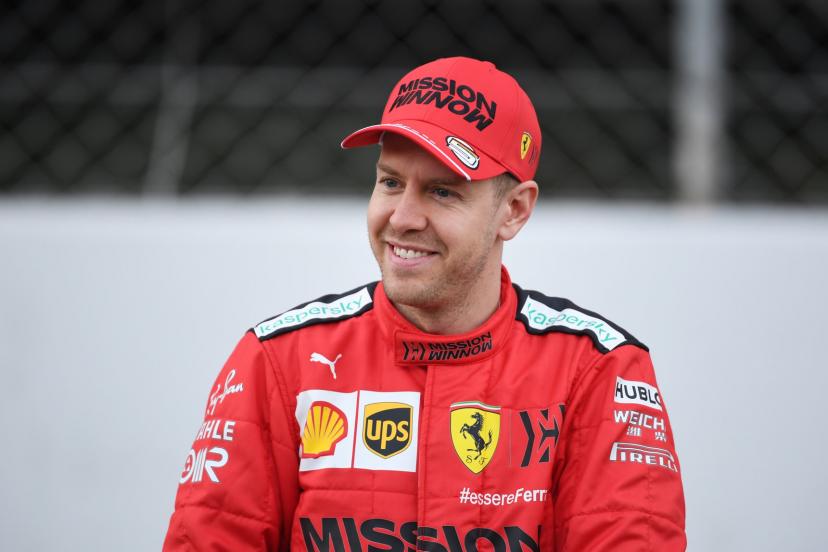
Seb Vettel is a driver profile that highlights a distinct blend of single-lap speed, precision in tricky conditions and the ability to adapt strategy and pace through a race weekend. This analysis explains, in concrete F1 terms, how those traits show up in braking, cornering, tyre use and racecraft — and why teams have often leaned on Vettel for both outright laps and pragmatic weekend management.
Quick summary: Reputable analysis cites Vettel as a driver with especially strong qualifying pace and an ability to find outright speed. He is also noted for faultless performances in tricky, wet conditions and for adapting strategy and tyre use to improve race outcomes.
What this article covers: braking and release tendencies, mid-corner and exit behaviour, qualifying profile, wet-weather competence, race adaptiveness and team impact.
Quick access
First technical reading • Braking, release & entry • Qualifying profile • Adaptation to cars & conditions • Closing interpretation
FIRST TECHNICAL READING
The first, consistent clue in analyses of Seb Vettel is a driver who can extract outright pace from a car. Motorsport reporting frames him as possessing very strong single-lap and qualifying ability: he regularly finds one-lap performance where others struggle. That trait often coexists with a precise input style and a measured approach to risky scenarios rather than reckless aggression.
BRAKING, RELEASE, AND CORNER ENTRY
Public and analytical sources describe Vettel as technically precise in his inputs, which shows up around braking and release. Precision matters most in the entry phase: a controlled, repeatable brake release allows him to position the car for rotation without upsetting balance. This behaviour supports consistent turn-in and a low error rate in changeable conditions.
MID-CORNER SHAPE AND MINIMUM SPEED
Where Vettel's approach becomes tactical is in the mid-corner. Reports and analyses credit him with an ability to adapt his shape and pace to the stint or tyre life, extracting performance on both short qualifying stints and longer race runs. Rather than a single stylistic dogma, he adapts minimum-speed logic depending on tyre condition and the team's strategy for the weekend.
EXIT TRACTION AND TYRE MANAGEMENT
Multiple sources note Vettel's capacity to manage tyres and use strategy to gain places over a race weekend. That implies a practical balance between aggression on exit when track position demands it, and conservation when tyre life or stint length matters. He has also publicly criticised wet-weather tyre behaviour in some races, which signals an active, technical role in judging tyre performance and its effect on driving confidence.
QUALIFYING PROFILE AND ONE-LAP RISK
Analysts consistently place Vettel among drivers with standout qualifying pace. The evidence frames him as a one-lap finder: he can extract maximum speed from a car for a flying lap. This ability to create peak performance complements his broader weekend skills, allowing him to pair raw qualifying speed with strategic race management.
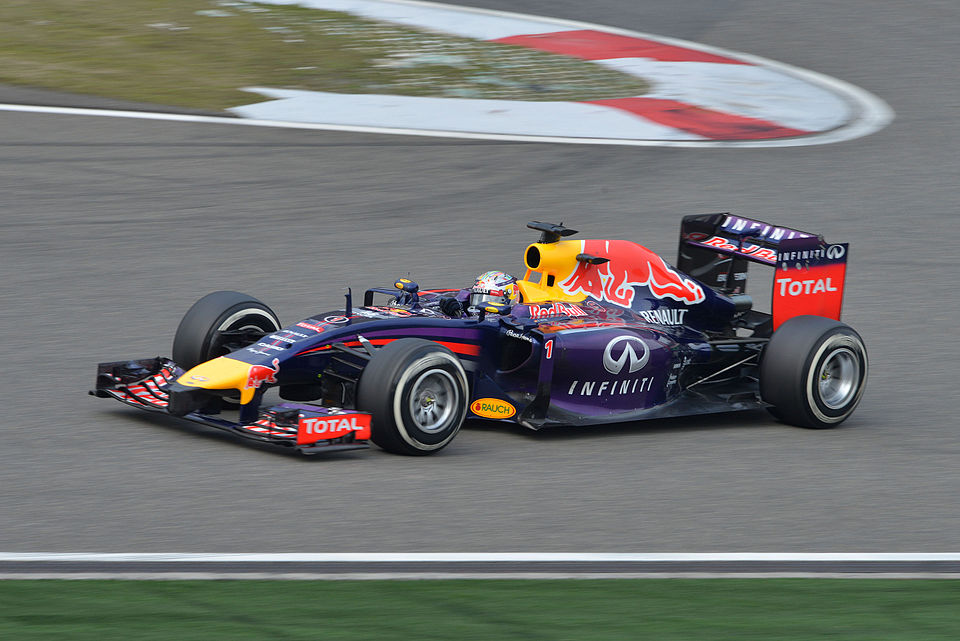
RACECRAFT, OVERTAKING, AND ADAPTIVE WEEKEND MANAGEMENT
Race narratives and data-driven reviews attribute to Vettel a capacity to adapt across a weekend. Case studies show he can convert variable practice and qualifying situations into effective race strategy, using tyre choices and stops to gain positions. His faultless performances in wet or mixed conditions — frequently cited in contemporary reports — underline a clean racecraft that reduces mistakes in chaotic sessions.
ADAPTATION TO CARS, CONDITIONS, AND WEATHER
Retrospectives and team debriefs highlight Vettel's competence in wet conditions and his ability to change driving style to suit tyres and track state. Early career wet performances are repeatedly referenced as evidence of his precision under low-grip scenarios. He has also engaged publicly with tyre performance debates, underlining a driver who interprets car behaviour and communicates how tyres affect confidence in rain-affected sessions.
CLOSING INTERPRETATION
Viewed in technical terms, the "Seb Vettel" driver archetype is a hybrid of qualifying acumen, precise input control, and adaptive race intelligence. That combination makes him valuable for teams seeking both one-lap peaks and pragmatic weekend management. The strongest, defensible claims from the verified record are clear: he finds speed on a single lap, excels in clean wet-weather performances, and actively shapes race outcomes through tyre judgement and adaptive strategy.
Author: Cynthia D.