What Defines the Montreal Grand Prix: An F1 Analysis of Circuit…
The Montreal Grand Prix sits on Île Notre‑Dame and is run on the Circuit Gilles‑Villeneuve, a street‑park track that pairs long, high‑speed straights with sharp, heavy‑braking moments. That contrast — long runs to big stops, a tight final chicane with the famous Wall of Champions, and kerb‑defined lines — is the practical DNA that shapes every session of a race weekend in Montreal.
FIRST READING OF THE CIRCUIT
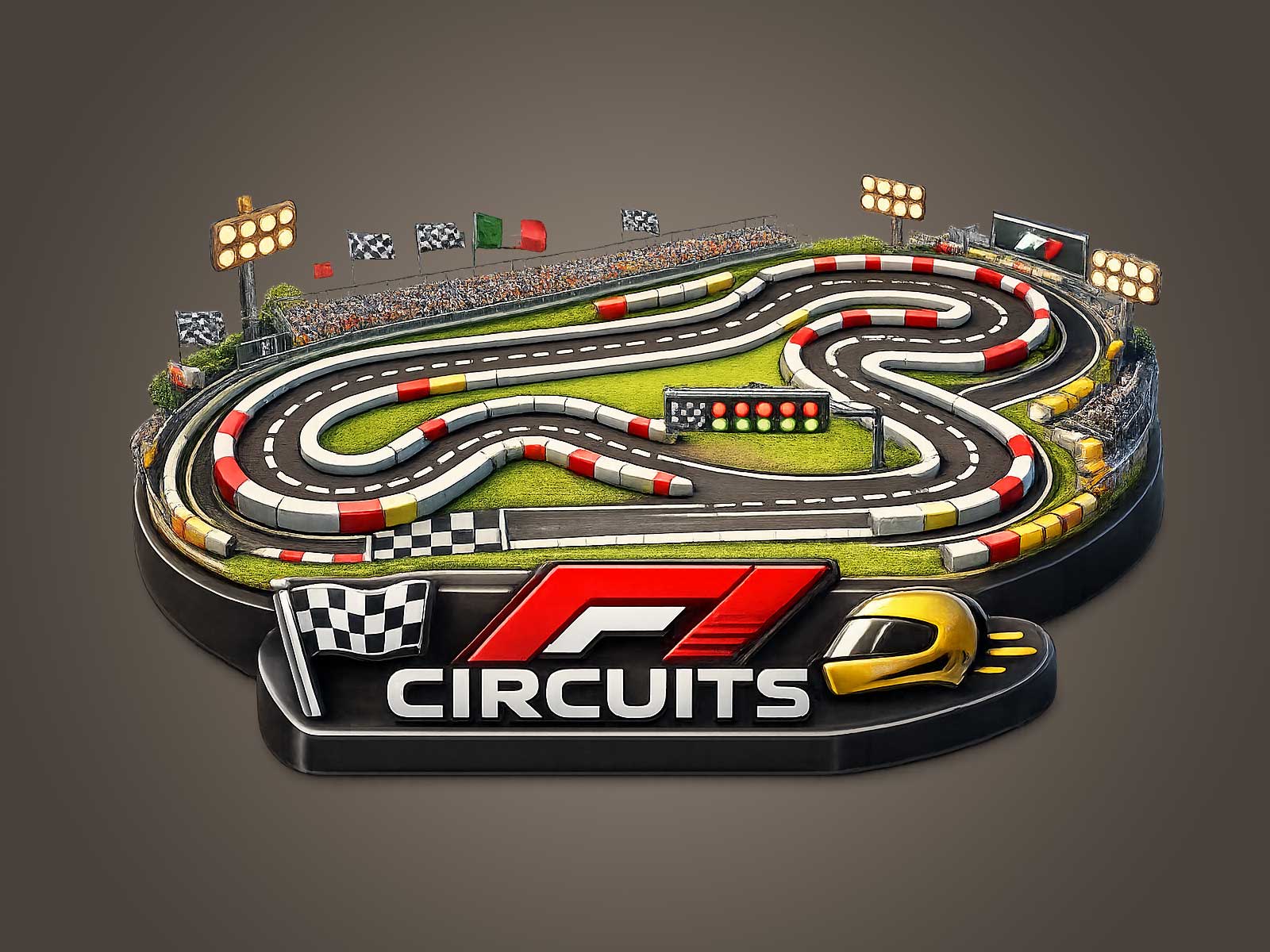
At first glance Circuit Gilles‑Villeneuve reads as a hybrid: a street‑park layout of approximately 4.361 km with about 14 corners, where long straights invite top speed while tight, chicane‑style sequences demand mechanical balance and driver precision. The island setting produces a compact venue where walls are close and mistakes at the final chicane — the Wall of Champions area — are costly. That immediate tension between speed and vulnerability is the track's defining characteristic.
CORNER RHYTHM AND SPEED PROFILE
The lap alternates momentum and interruption. Long runs let teams exploit low drag and DRS, then the layout forces hard reductions of speed: notably the long start/finish straight into the hairpin and the run to the final chicane. These sequences create two clear sectors where exit speed and traction determine lap time: the approach to the hairpin and the approach into the Turn 13 chicane. Between those extremes lie medium‑speed transitions that punish unsettled cars more than outright aero‑inefficient ones.
BRAKING ENERGY AND TRACTION DEMANDS
Heavy braking zones are a structural feature. The long straight into the hairpin and the approach to the final chicane require strong, stable braking and clear longitudinal weight transfer control. Traction on the exit of those slow points is decisive: gains come from clean launches out of the hairpin and solid exits into the back straight, which in turn feed DRS‑assisted overtaking opportunities. The pattern rewards cars with precise braking stability and effective rear‑end traction.
KERBS, SURFACE, AND TRACK EVOLUTION
As a street‑park circuit the surface and kerbs influence both qualifying and race lines. The kerbs at chicane entries and exits encourage an aggressive line but the proximity of walls means small errors are punished with contact or lost time. Across a weekend the track typically evolves as rubber builds on the racing line, increasing grip in qualifying and affecting tyre behaviour during the race. That evolution places a premium on drivers who can adjust lines session to session.
TYRES, THERMAL LOAD, AND STINT SHAPE
Montreal does not subject tyres to the same continuous lateral load as high‑downforce circuits, but the mix of long straights and heavy braking creates distinct thermal cycles. Tyre management focuses on traction and protecting the rears during repeated launch phases from slow corners. Because the event often features Safety Car interventions and variable weather, stint shape is frequently interrupted; teams must be ready to shift tyre strategy mid‑race rather than rely on a single long stint plan.
SETUP TRADE‑OFFS AND CAR COMPROMISES
Teams arrive with a clear compromise to solve: low drag for the long straights versus sufficient downforce and mechanical grip for chicanes and braking stability. In practice that means an intermediate‑to‑low downforce trim compared with a pure street circuit, plus suspension settings that preserve stability under heavy braking and allow aggressive kerb use. Sacrificing too much downforce aids top speed but exposes the car to instability in the technical sequences; too much downforce costs time on the long runs.
OVERTAKING, DRS, AND RACECRAFT
The circuit creates two obvious passing windows: the hairpin at the end of the back straight and the final chicane area where DRS and slipstreaming on the preceding long runs amplify opportunities. Because exit speed from the previous corners feeds both DRS effectiveness and the run into the braking zone, clean traction and momentum are as valuable as a late‑braking move. The frequency of Safety Cars further reshuffles track position, so racecraft and strategic adaptability often outweigh raw qualifying advantage.
HISTORICAL AND COMPETITIVE CONTEXT
As a long‑standing venue on Île Notre‑Dame, the circuit's competitive bias has repeatedly favoured cars with strong straight‑line speed and reliable braking stability. Qualifying pace matters due to the track's overtaking geometry, but the circuit's tendency to produce Safety Car periods and weather variability means races can be unpredictable and strategically complex. The Wall of Champions at the final chicane has also shaped how drivers approach qualifying and the race, encouraging conservative lines in some scenarios and high risk in others.
CLOSING INTERPRETATION
Circuit Gilles‑Villeneuve defines the Montreal Grand Prix by the constant negotiation between speed and control. Its long straights reward low drag and powerful traction, its heavy‑braking zones demand stability, and the proximity of walls forces precision. Together these elements make the weekend a test of setup compromise and strategic flexibility: teams must balance top speed with the mechanical and braking confidence required to survive the chicanes and exploit the track's main overtaking spots.
Author: Eric M.