Lewis Hamilton and Risk in F1: Judging the Limit Between Bravery and Calculation
Lewis Hamilton's on-track profile is often described as a blend of measured racecraft and moments of aggressive defending. This article examines how that balance—between pushing the limit and managing avoidable error—actually looks in Formula 1 terms. We focus on where risk lives in F1, how drivers read grip and instability, braking and positioning choices, and how experience changes the decision-making equation.
Hamilton combines deliberate, measured racecraft with moments of high commitment. His incidents and steward reviews provide a base for analysing how elite drivers manage the trade-off between aggression and control.
Where Formula 1 risk really lives
Risk in modern F1 is concentrated where multiple variables converge: high speed, low grip margin, close proximity to other cars, and fast-changing track conditions. These moments include first-lap congested corners, wheel-to-wheel duels, heavy braking zones, and sudden wet patches. For an elite driver, the practical task is to detect when the margin is thin and to decide whether the potential race gain justifies the increased probability of contact or error.
Reading the edge of grip
Grip is not a single fixed number; it is a dynamic surface the driver must sense through the car. Drivers judge the edge from tyre behaviour (vibrations, temperature feedback), steering feel, and subtle changes in car balance. When the balance shifts toward understeer or oversteer, the window to correct shrinks rapidly. Experienced racers use incremental probing—testing a slightly later brake point or different corner entry—to update their internal model of available grip rather than betting everything on a single, maximal attempt.
Braking commitment and escape margin
Braking is a primary locus of risk: late braking can win positions but reduces the margin for error and the available escape if the car locks up or the opponent makes an unexpected move. Drivers balance absolute braking commitment against the practical escape routes a circuit offers—run-off, gravel, walls, or other cars. Stewarded incidents and post-race reviews show how finely judged these choices are, and why stewards sometimes focus on first-lap or heavy-braking collisions when evaluating responsibility.
Wheel-to-wheel judgement
Wheel-to-wheel positioning is about relative commitment and spatial prediction. In these situations drivers estimate the opponent’s likely line and tolerance for overlap, then choose a defensive or attacking line that either reduces collision probability or maximises the chance of completing the move. High-profile investigations into wheel-to-wheel incidents illustrate how margins are shared: stewards sometimes find no single driver primarily at fault when overlaps and mutual commitment produce contact.
Wet races and unstable conditions
Wet and mixed conditions expose the limits of both car and driver. Grip can change corner by corner and lap by lap; the right call—whether to attack, follow, or back off—depends on reading those changes and on tyre choice and temperature. Drivers publicly discuss and debate these judgements, and journalistic analysis frequently highlights how wet-weather decisions separate conservative from opportunistic racecraft.
Starts, restarts and high-density moments
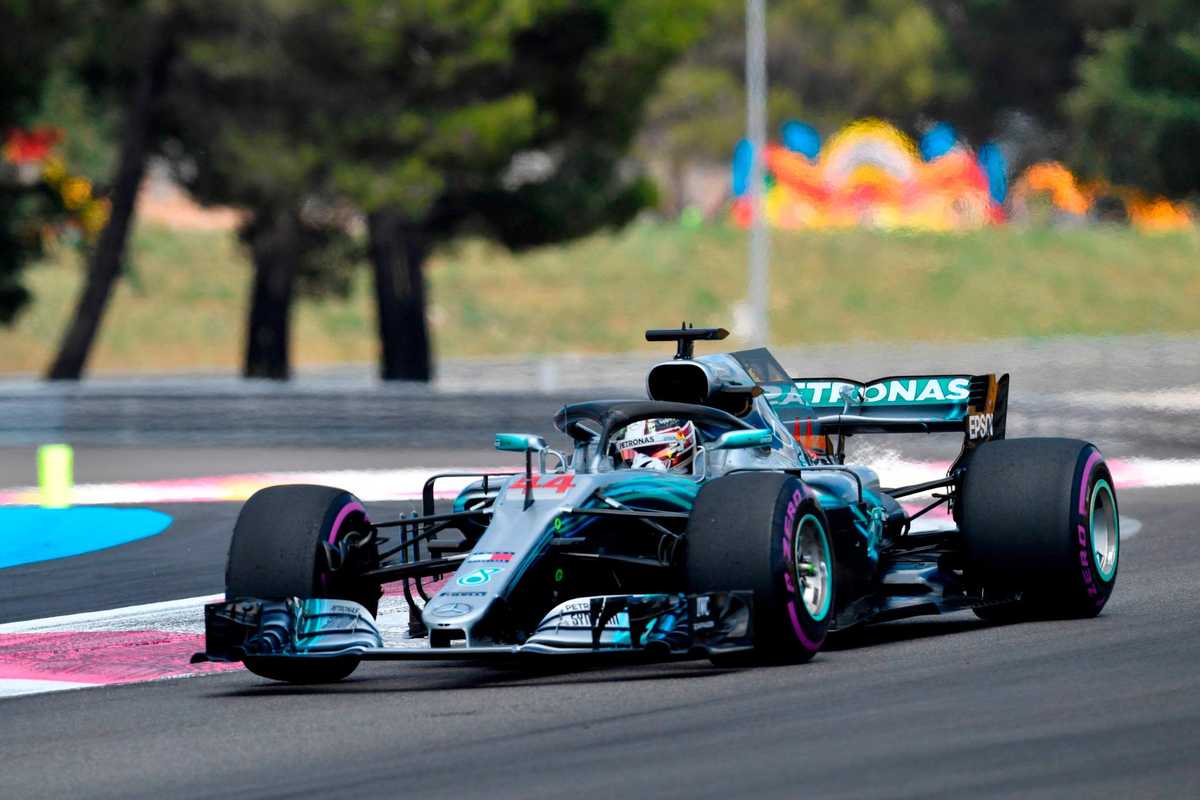
First laps and restarts condense risk: many cars, limited space, and heavy incentive to gain positions quickly. Steward documents and race reports often single out these phases for scrutiny because mistakes here have outsized consequences. A reprimand or fine after a first-lap incident underlines how quickly a misjudgement can escalate—both for the driver involved and for the sport’s regulatory response.
Bravery versus calculated risk
Distinguishing courage from recklessness is a practical exercise in expected value: a brave move converts a plausible gap into a pass without unduly increasing crash probability, while reckless action ignores the downside. Commentators and expert analyses describe Hamilton’s style as a blend of deliberate, measured racecraft with occasional aggressive defending or risk-taking. Public statements from the driver about wanting permission to take particular risks in certain races further illustrate that he actively negotiates where to push and where to hold back.
How experience reshapes decision-making
Experience refines a driver’s internal risk model. It improves pattern recognition—knowing which circuits, corners or competitors are likely to produce sudden instability—and calibrates the psychological filter that separates pressure from panic. Over time, a top driver accumulates situational examples that speed up decisions and reduce error-prone hesitation, while also learning when conservative management yields better championship returns than short-term heroics.
Pressure, mental filtering and avoiding avoidable errors
Elite drivers develop mental strategies to filter external pressure and maintain consistent judgement. That means choosing fights selectively: sometimes conceding position to protect the result, at other times committing to a manoeuvre because the strategic upside is clear. The record of steward inquiries, reprimands and high-profile collisions is part of the public record that frames these choices—showing that even the very best drivers are routinely re-evaluating the acceptable margin of risk under scrutiny.
- Risk in F1 clusters where speed, proximity and changing grip coincide—first laps, heavy braking zones and wet patches.
- Top drivers read grip incrementally and use small probes rather than all-or-nothing attempts.
- Braking commitment is an explicit trade-off: later braking risks lock-ups and reduced escape margin.
- Wheel-to-wheel incidents often involve shared responsibility; steward findings sometimes reflect that complexity.
- Experience and deliberate mental filters allow elite drivers to reduce avoidable errors while preserving necessary aggression.
This analysis draws on documented steward decisions, race reports and expert commentary that collectively illustrate how a top driver balances aggression with control in modern Formula 1.
Author: Alex R.