Felipe Massa: inside the equipment that defined a modern F1 driver
Felipe Massa’s time in Formula 1 provides a useful lens to understand what modern drivers actually wear and why each item matters. This article breaks down the visible kit — helmet, visor, race suit, gloves and boots — and the hidden safety and ergonomic systems that make a contemporary F1 cockpit livable and survivable.
This piece uses verified records about Felipe Massa’s suppliers and the safety developments that followed his 2009 accident to explain how driver equipment blends protection, ergonomics and identity.
What a modern F1 driver actually wears
At track level the kit breaks into two visible categories — outer racewear (helmet, visor, suit, gloves, boots) and personalization (helmet paint and sponsor placements) — and a set of hidden, mandated systems that integrate with the car (HANS, belts, cockpit padding, seat fit). Felipe Massa’s career illustrates both sides: identifiable supplier relationships for outerwear, and the adoption of wider safety measures that influenced helmet and visor design.
Helmet identity and protection logic
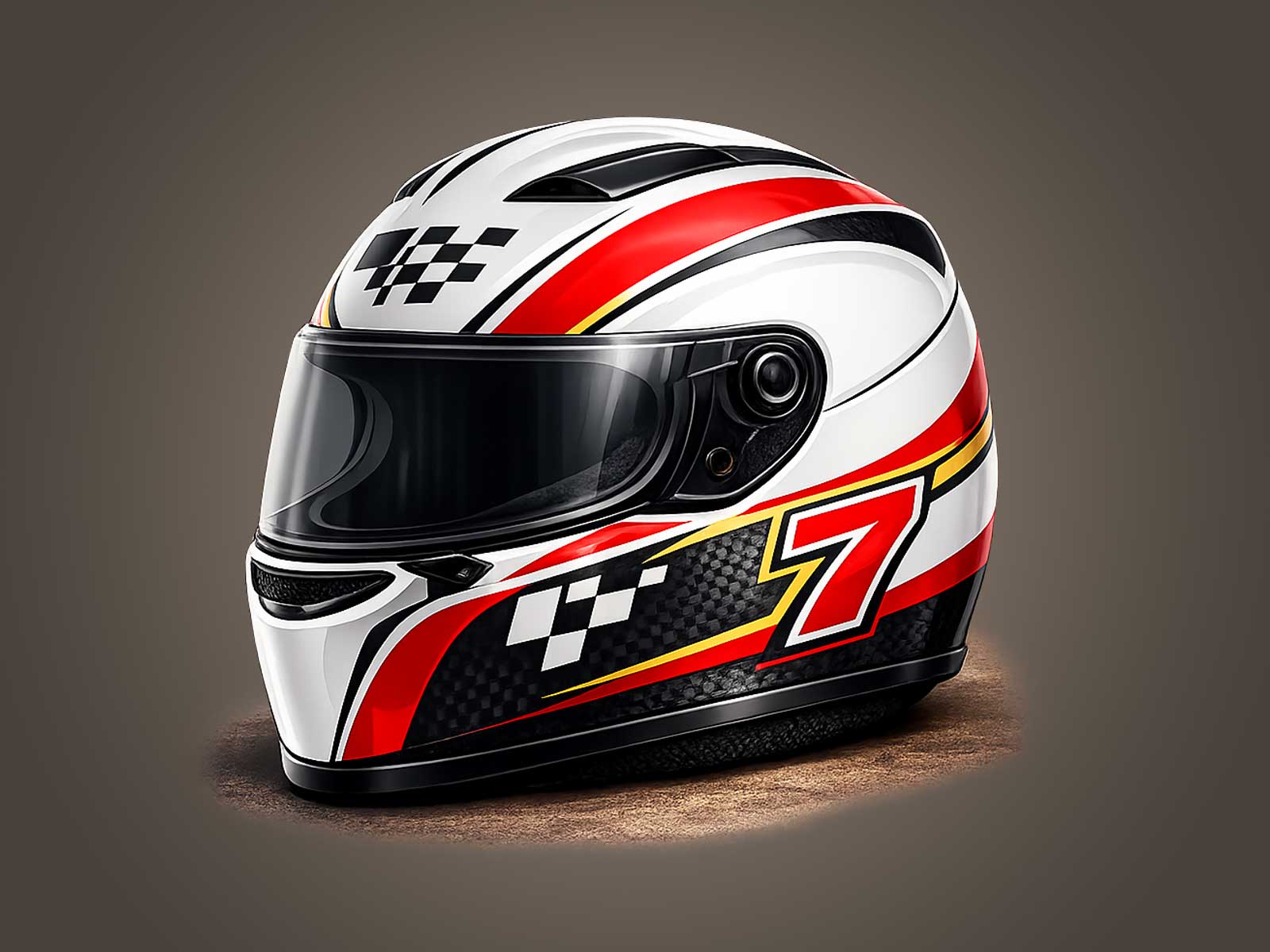
Helmet shells for F1 drivers are supplied by specialist manufacturers and must meet FIA homologation. Verified records show Massa wore Bell helmets in the 2000s and was later reported using Schuberth into the mid-2010s. Structural shells come from those manufacturers; paintwork and graphics are typically applied by specialist firms — examples of this practice include companies like JMD that have provided paintwork for drivers such as Massa.
Beyond visuals, helmets are central to a driver’s protection strategy. After Felipe Massa’s 2009 accident, the incident focused attention on the vulnerability of the visor-helmet interface and prompted reinforced visor/upper-visor solutions (materials such as zylon/kevlar were used in upper-visor reinforcement panels). That response illustrates how helmet design evolves in reaction to real-world threats and in coordination with the FIA and manufacturers.
Race suit, gloves and boots in real use
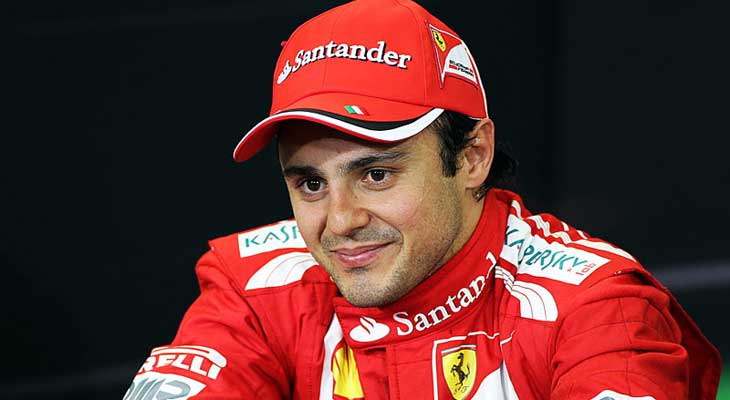
During Massa’s Ferrari years the team’s race suits and many associated garments were supplied by Puma; memorabilia and auction records confirm Puma as Ferrari’s supplier in that era. Photographic and auction evidence also show Puma-branded gloves and boots associated with Massa’s kit while at Ferrari.
Outer garments perform several roles at once: flame protection, team identity and ergonomics for ingress/egress. While suits, gloves and boots carry sponsor branding and visual identity, they are also constructed to interface with belts, steering-wheel hand positions and pedal ergonomics — factors that matter for both safety and performance.
Hidden layers and cockpit-facing safety integration
Underneath what spectators see are layers and systems that the FIA and medical community identify as critical. The HANS device and multi-point seat restraints were mandated features during Massa’s career and are credited — alongside helmets, belts and padding — with significantly improving survival rates and reducing the severity of injuries. FIA medical and technical documents cite these systems together when explaining the modern cockpit’s protective envelope.
The 2009 incident involving a suspension spring striking Massa’s helmet prompted closer review of helmet and visor vulnerabilities and reinforced the interplay between helmet construction and cockpit debris protection. The resulting focus led to development and adoption of visor reinforcement approaches and stronger upper-visor panels to reduce the risk of high-velocity debris breaching the helmet-visor area.
Brand relationships and continuity
Long-term supplier relationships are common in F1 and visible in Massa’s career: manufacturers supply structural items (helmet shells, suit fabric), while specialist firms handle customisation and artwork. Verified sources associate Massa with Bell earlier in his career and with Schuberth later, and confirm Puma as Ferrari’s race-wear supplier in the late 2000s and early 2010s. Specialist painters such as JMD have been credited with helmet finishes, underlining the split between structural suppliers and creative specialists.
How personalised the equipment becomes
Personalization occurs at multiple levels. Helmet graphics, sponsor placement and small personal touches are visually prominent and often produced by specialist design houses. Meanwhile, fit and ergonomic adjustments — seat moulding, belt routing, pedal positions and HANS anchorage — are tailored to the driver by engineers and technicians to ensure repeatability and comfort. Memorabilia and photographic records for Massa demonstrate this mix of bespoke appearance and engineered fit.
What enthusiasts often overlook
- Visible kit is only half the story: the helmet shell maker and the paintshop are different specialists with distinct roles.
- Safety advances often follow incidents. The attention to visor reinforcement after Massa’s 2009 injury is an example of iterative safety change rather than sudden invention.
- Supplier names seen on gloves or suits often reflect team contracts; driver choice for helmets is constrained by homologation, performance and manufacturer relationships.
The verified record around Felipe Massa’s equipment shows a clear division between manufacturer-supplied safety hardware and bespoke personalization. Helmets from established manufacturers, Puma-supplied Ferrari racewear and specialist helmet painters together demonstrate how performance, safety and identity are layered in modern F1 kit. Crucially, safety improvements — especially in helmet and visor design following the 2009 incident — underline that driver equipment is a living, regulated field that evolves with new challenges.
Author: Cynthia D.